Our Thoughts
Our Thoughts
Our Thoughts
Blog
Podcast

The 40-Year Bond Bull Market May Be Over
We follow up on the Treasury's bond purchase announcements and explain why forty years of falling interest rates left most investors with the wrong intuition about normal.

Transitioning Into Retirement
Retirement is one of life’s biggest transitions, and the first year can bring both excitement and uncertainty. Today we explore how thoughtful planning can help create confidence and purpose in the next chapter.
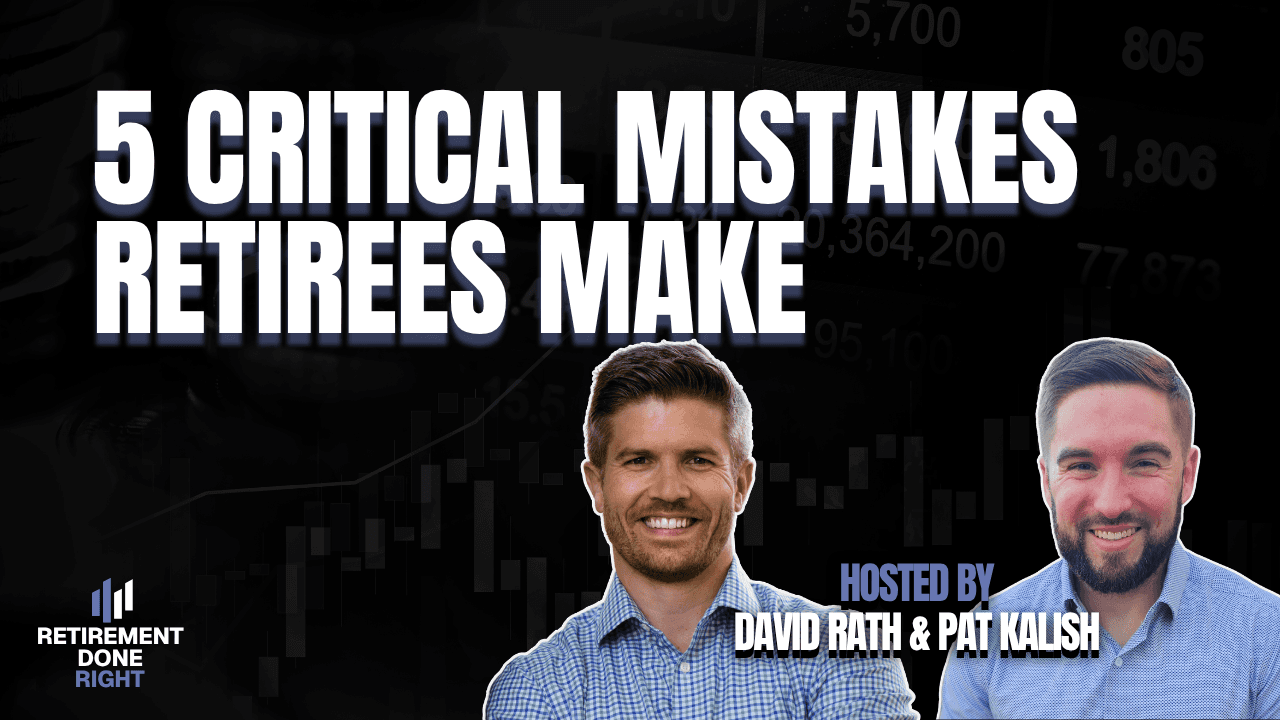
The Biggest Mistakes Retirees Make (And How to Avoid Them)
Avoid retirement mistakes by planning taxes, investments, Roth conversions, and market downturns early.
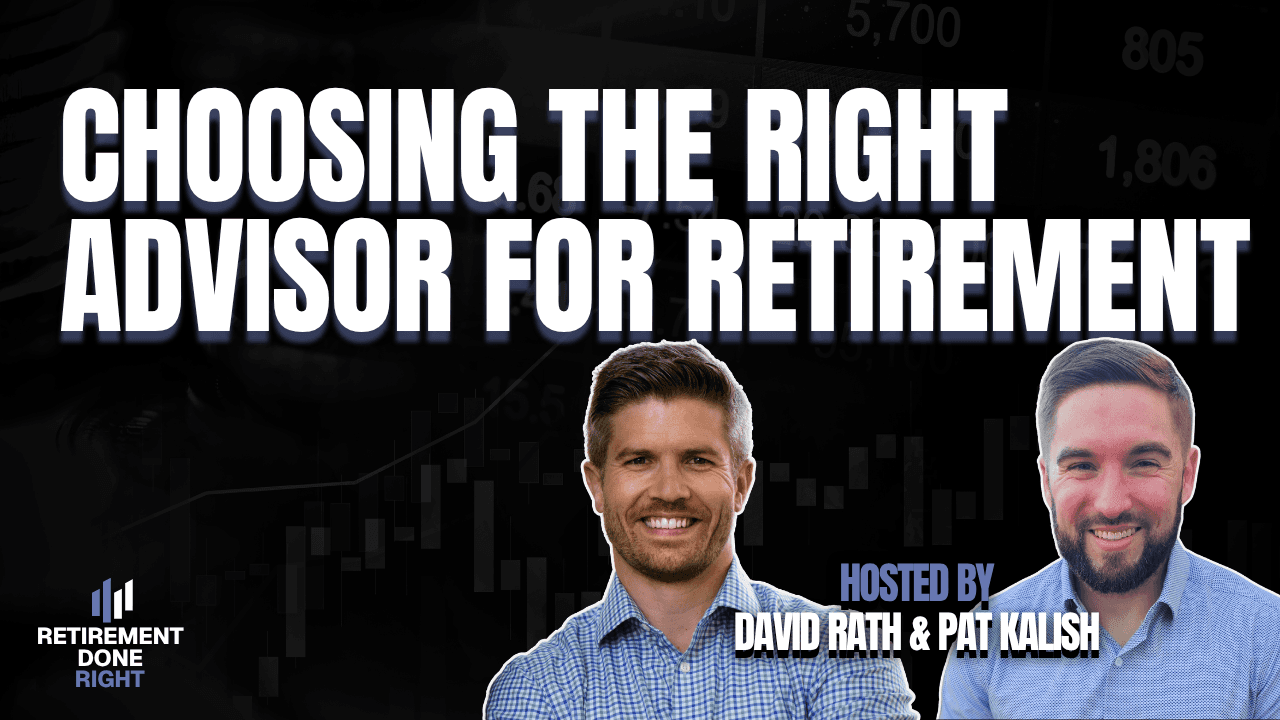
Should You Change Your Financial Advisor When You Retire?
Consider whether your advisor still fits your needs as you approach retirement.
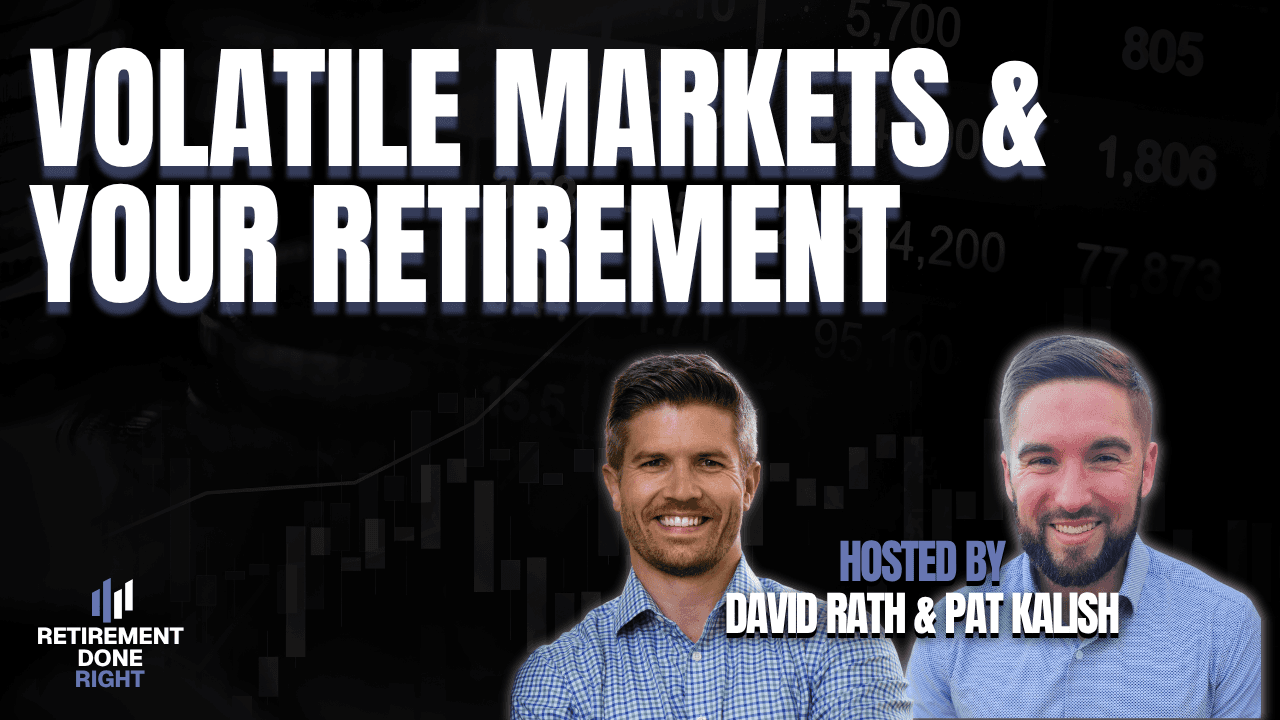
Navigating Market Volatility: A Conversation with David Rath and Pat Kalish
Understand market volatility drivers and what retirees should avoid doing during uncertainty.
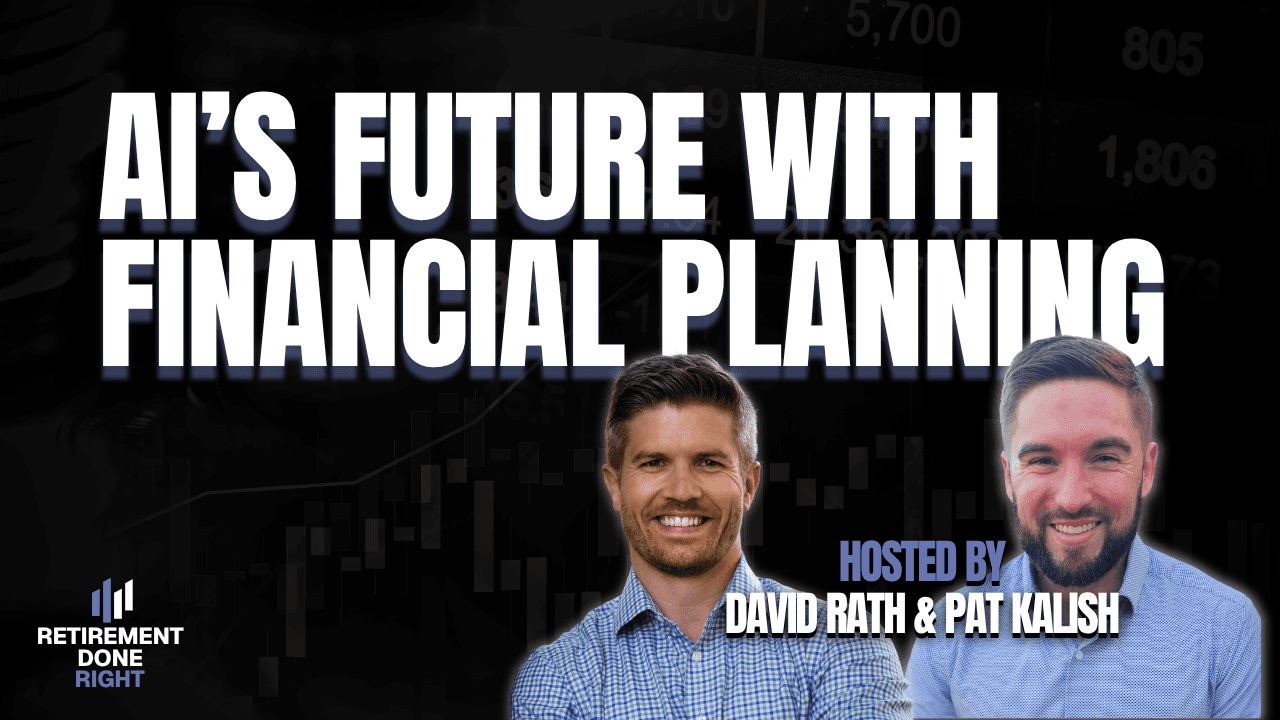
Will AI Replace Financial Planners?
AI can build portfolios, but still cannot replace fiduciary financial planning judgment.
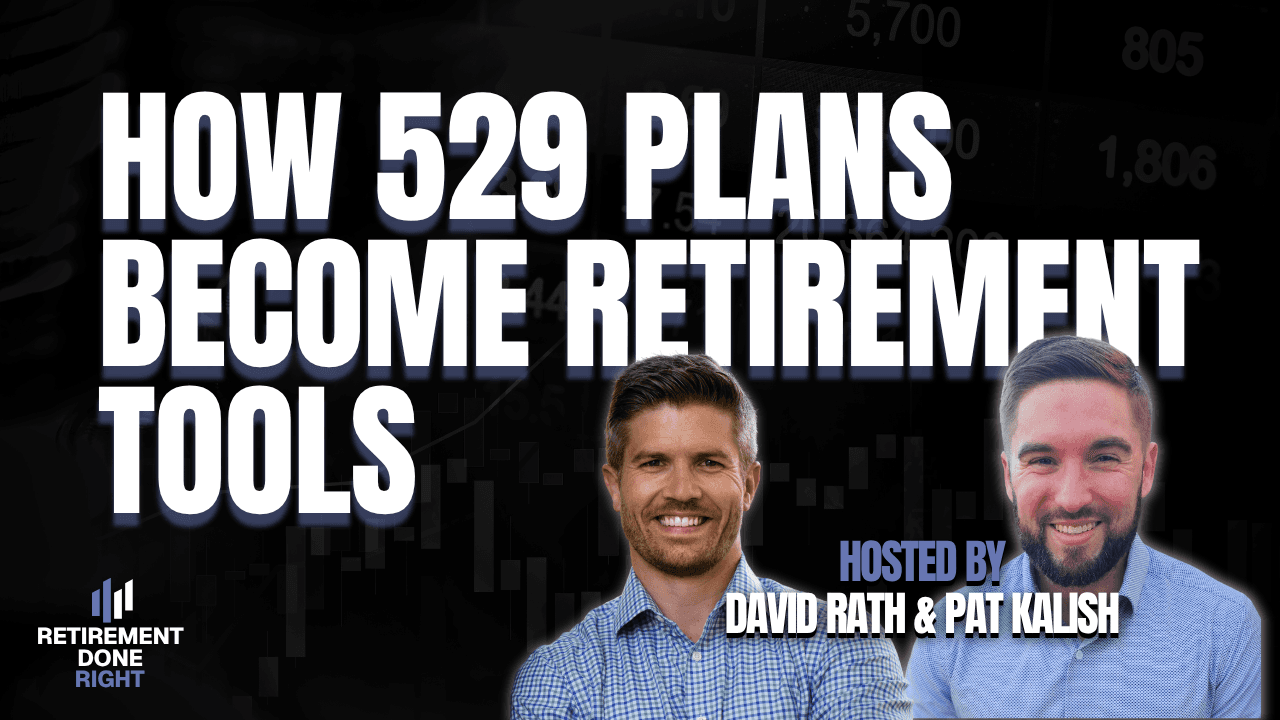
529 to Roth IRA Conversions: The Ultimate Guide to the Secure 2.0 Strategy
Learn the key rules for rolling unused 529 funds into a Roth IRA.
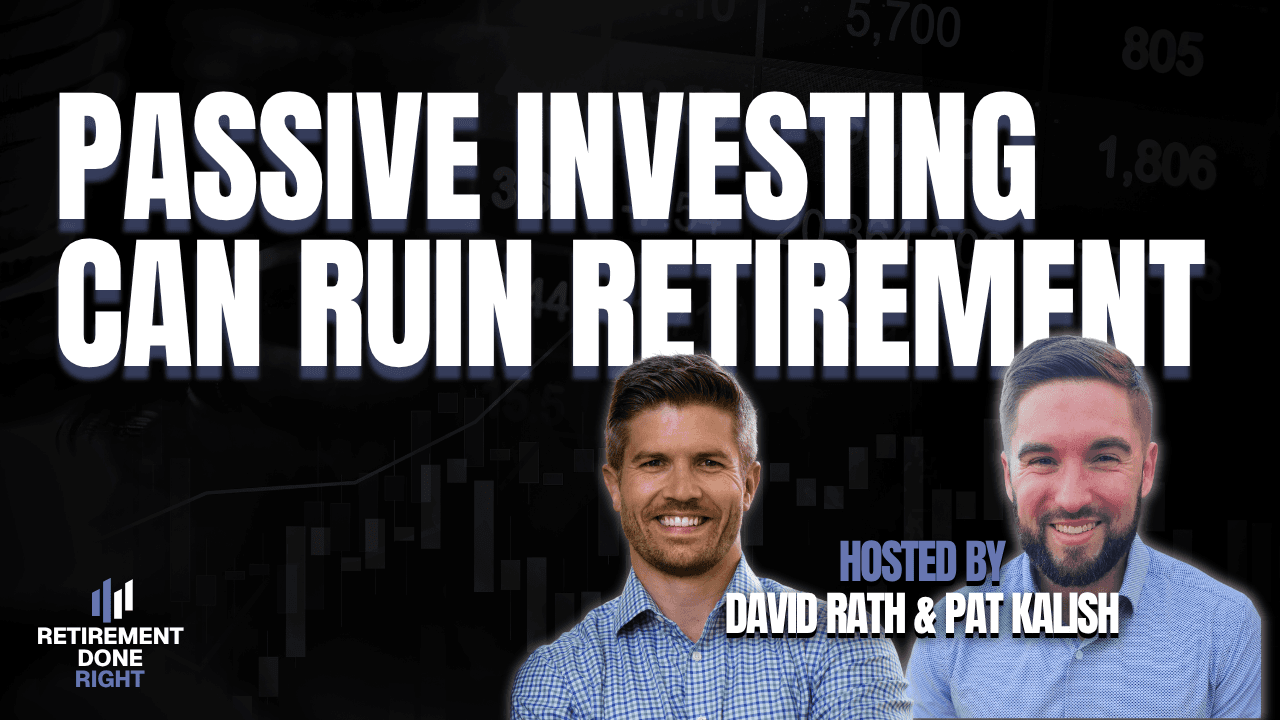
Does "Set It & Forget It" Really Work?
Passive investing helps, but retirees must account for sequence-of-returns risk.
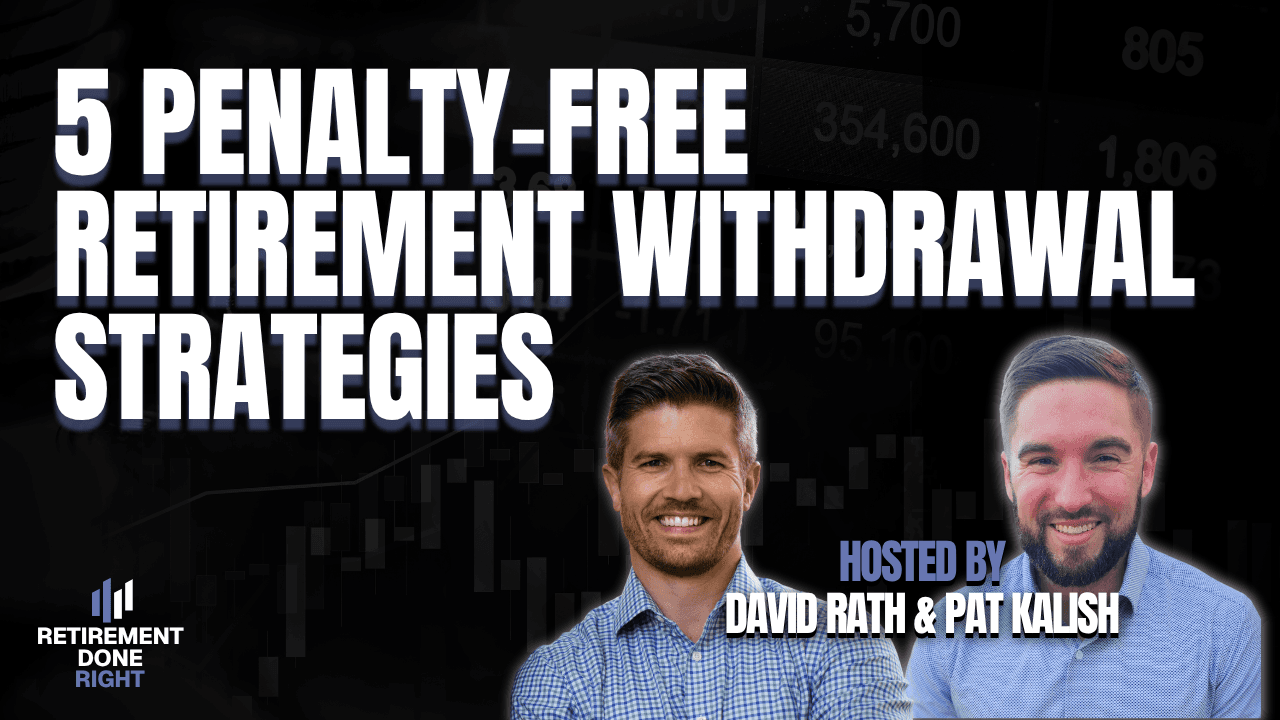
(Legally) Avoiding the 10% Early Withdrawal Penalty
Learn key exceptions that allow penalty-free retirement withdrawals before age 59½.
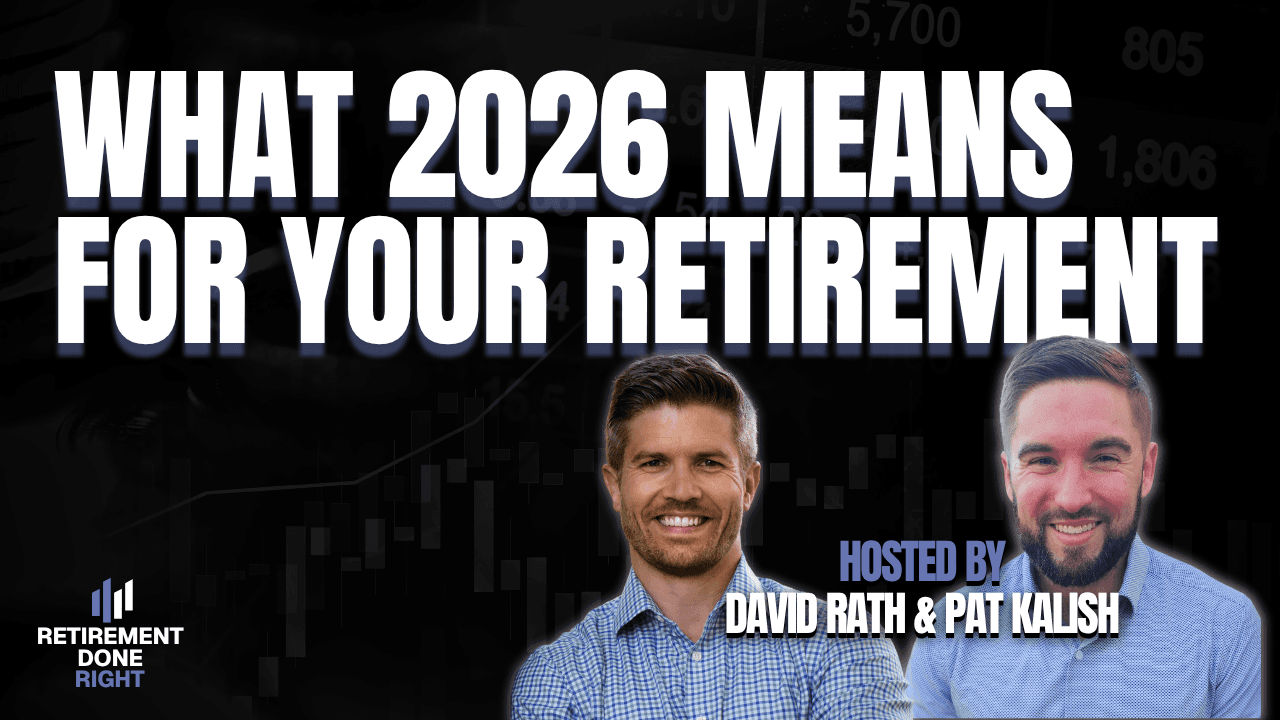
Your Top Investment Questions for 2026, Answered
Review 2026 investment themes, including AI, bonds, diversification, and retirement positioning.
Load More
Never Miss Our Latest Insights
Join our monthly newsletter for the latest articles on protecting your savings, reducing taxes, and planning your retirement.
Blog
Podcast
The 40-Year Bond Bull Market May Be Over
We follow up on the Treasury's bond purchase announcements and explain why forty years of falling interest rates left most investors with the wrong intuition about normal.
Transitioning Into Retirement
Retirement is one of life’s biggest transitions, and the first year can bring both excitement and uncertainty. Today we explore how thoughtful planning can help create confidence and purpose in the next chapter.
The Biggest Mistakes Retirees Make (And How to Avoid Them)
Avoid retirement mistakes by planning taxes, investments, Roth conversions, and market downturns early.
Should You Change Your Financial Advisor When You Retire?
Consider whether your advisor still fits your needs as you approach retirement.
Navigating Market Volatility: A Conversation with David Rath and Pat Kalish
Understand market volatility drivers and what retirees should avoid doing during uncertainty.
Will AI Replace Financial Planners?
AI can build portfolios, but still cannot replace fiduciary financial planning judgment.
529 to Roth IRA Conversions: The Ultimate Guide to the Secure 2.0 Strategy
Learn the key rules for rolling unused 529 funds into a Roth IRA.
Does "Set It & Forget It" Really Work?
Passive investing helps, but retirees must account for sequence-of-returns risk.
(Legally) Avoiding the 10% Early Withdrawal Penalty
Learn key exceptions that allow penalty-free retirement withdrawals before age 59½.
Your Top Investment Questions for 2026, Answered
Review 2026 investment themes, including AI, bonds, diversification, and retirement positioning.
Load More
Never Miss Our Latest Insights
Join our monthly newsletter for the latest articles on protecting your savings, reducing taxes, and planning your retirement.
Blog
Podcast
The 40-Year Bond Bull Market May Be Over
We follow up on the Treasury's bond purchase announcements and explain why forty years of falling interest rates left most investors with the wrong intuition about normal.
Transitioning Into Retirement
Retirement is one of life’s biggest transitions, and the first year can bring both excitement and uncertainty. Today we explore how thoughtful planning can help create confidence and purpose in the next chapter.
The Biggest Mistakes Retirees Make (And How to Avoid Them)
Avoid retirement mistakes by planning taxes, investments, Roth conversions, and market downturns early.
Should You Change Your Financial Advisor When You Retire?
Consider whether your advisor still fits your needs as you approach retirement.
Navigating Market Volatility: A Conversation with David Rath and Pat Kalish
Understand market volatility drivers and what retirees should avoid doing during uncertainty.
Will AI Replace Financial Planners?
AI can build portfolios, but still cannot replace fiduciary financial planning judgment.
529 to Roth IRA Conversions: The Ultimate Guide to the Secure 2.0 Strategy
Learn the key rules for rolling unused 529 funds into a Roth IRA.
Does "Set It & Forget It" Really Work?
Passive investing helps, but retirees must account for sequence-of-returns risk.
(Legally) Avoiding the 10% Early Withdrawal Penalty
Learn key exceptions that allow penalty-free retirement withdrawals before age 59½.
Your Top Investment Questions for 2026, Answered
Review 2026 investment themes, including AI, bonds, diversification, and retirement positioning.
Load More
Never Miss Our Latest Insights
Join our monthly newsletter for the latest articles on protecting your savings, reducing taxes, and planning your retirement.